Have you ever wondered what it’s like to go beyond your studies and work on a real project at the same time?
Introduction
Every year, universities generate innovative research with the potential to transform industries, from healthcare to energy. Yet much of this research never makes it beyond the lab. The challenge is not a lack of ideas but a lack of translation: how do you turn complex scientific developments into real solutions?
TU Delft’s Ideation Lab is designed to bridge that gap. The program brings together students, researchers and early-stage startups, supported by coaches from institutions such as TU Delft, Erasmus University and Leiden University. Working in interdisciplinary teams, students take on the role of “junior business developers,” exploring the commercial potential of emerging technologies by testing ideas, speaking to industry experts, and identifying where innovation meets demand. Each year, the program supports multiple startup projects, giving students the opportunity to work directly on real innovations at a very early stage.
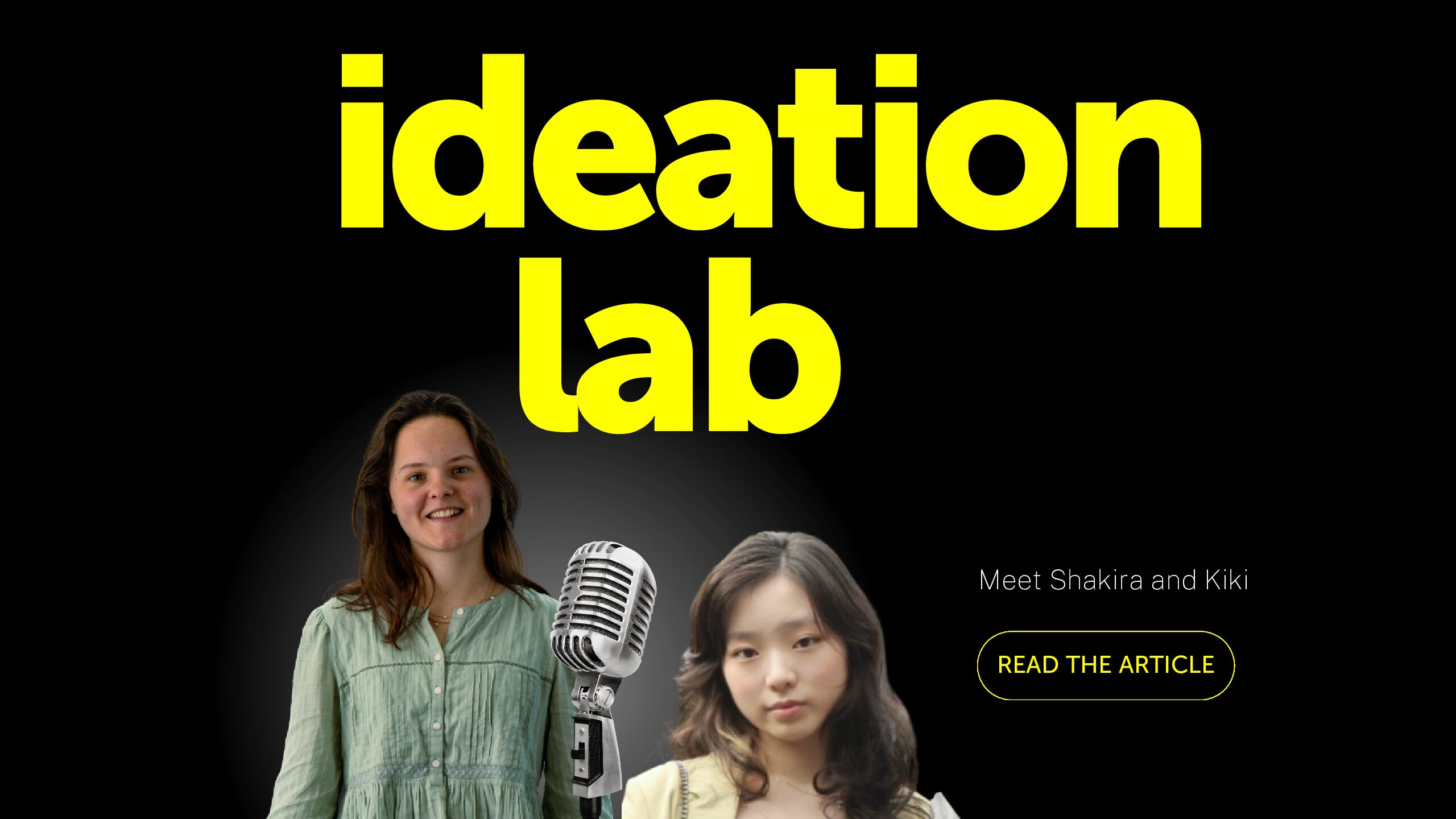
To better understand what this looks like, we sat down with Kiki Roodvoets, a biopharmaceutical sciences student at Leiden University, and Shakira Gao, a robotics master’s student at TU Delft. They were brought together to work on a challenge: helping a promising medical innovation move one step closer to the market.
But what does that process truly look like for Kiki and Shakira?
Roles & Responsabilities
As junior business developers, Kiki and Shakira act as a bridge between scientific research and the market. Working with the team behind iProtics, they explore whether the technology has real commercial potential: is there a demand for this innovation and who are the right customers?
Every week, they manage meetings with researchers and coaching sessions, while also interviewing industry experts. Through this process, their understanding of entrepreneurship has evolved. As Kiki reflects, “I didn’t know entrepreneurship meant speaking to so many customers… I didn’t know it was that important.” What stood out most was the priority of understanding users: “I think it’s more important to know your customers first before building your brand.”
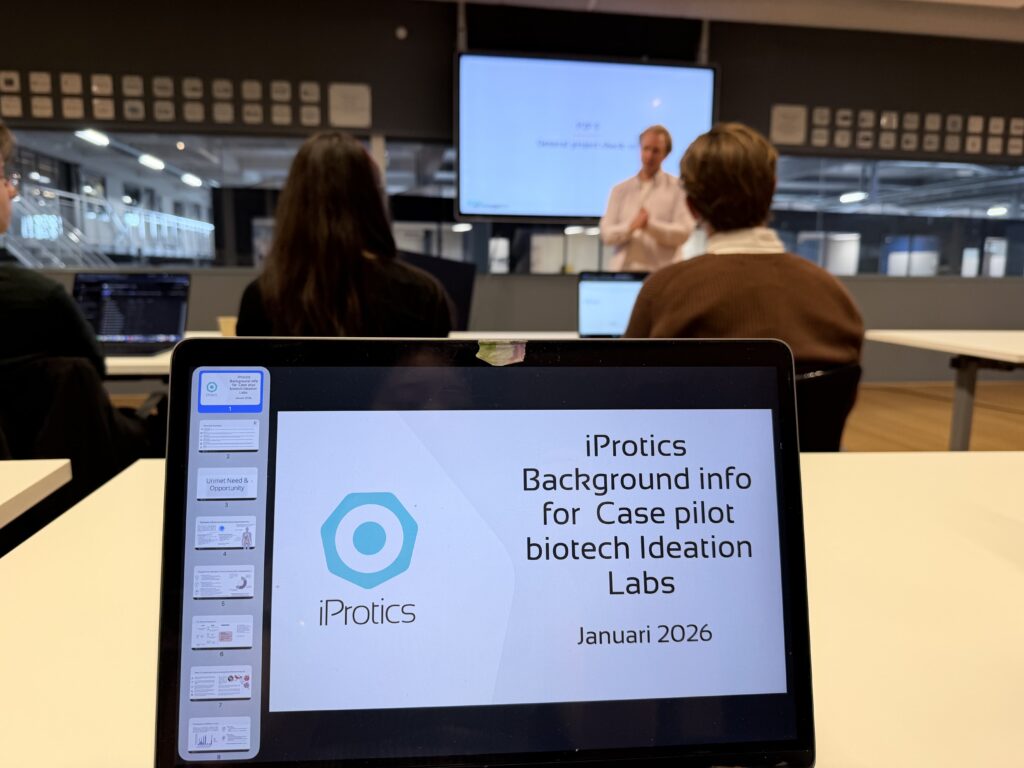
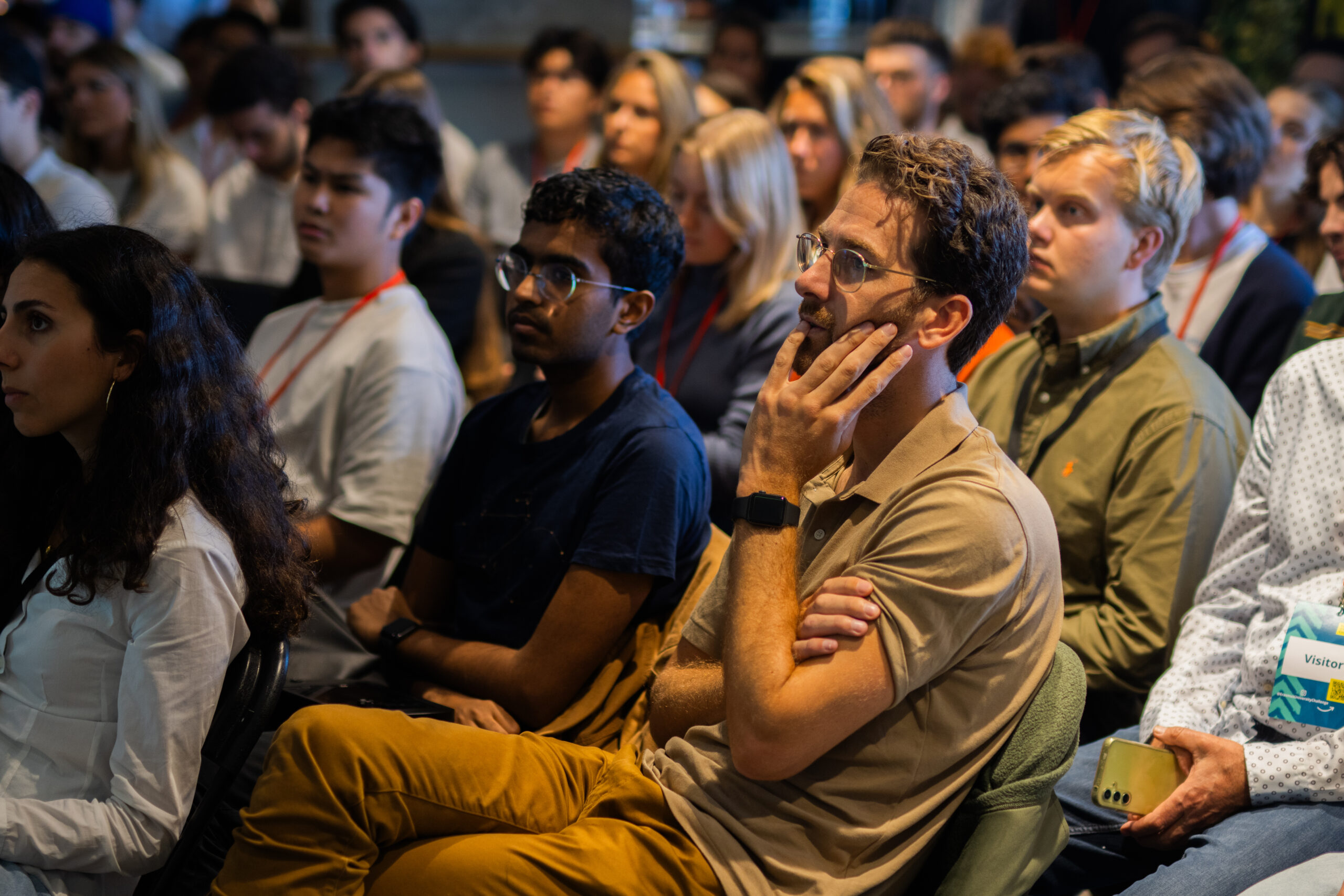
Inside TU Ideation Lab Workshop
The Project & Communicating Value
Their work focuses on a promising but still early-stage innovation: a therapy designed to treat certain types of blood cancer. This technology is in its pre-clinical phase and is not yet available to patients. As Kiki explains, “it’s a small molecule that can be used in different types of leukemia… and we’re exploring if it has a chance in those markets.”
Their challenge is to determine whether there is a need for this treatment in comparison to existing alternatives. Communicating the value of such an early-stage technology requires balancing transparency with potential. As Shakira explains “It’s about using the right terminology and highlighting the unique selling points”. “We’re clear that it’s still in the pre-clinical phase, but we also show what we know, that it could be safer and less toxic.” By explaining the current stage and the expected timeline, they can engage industry experts in meaningful discussions about its future.
Looking from the Market
The Ideation Lab experience enables engagement in the market, something both students found daunting at first but rewarding. Reaching out to industry experts taught them that persistence is key. As Shakira notes, “out of 100 people, maybe 10 or 20 will reply, but once they do, they’re often very open to talking.”
These conversations helped them navigate the complexity of the pharmaceutical landscape. For Kiki, understanding how new therapies are approved and adopted was a turning point. “At first, certain terms kept coming up in interviews, and I didn’t fully understand them,” she explains. “But after hearing them repeatedly, I started to see how the system works.” For Shakira, the biggest insight was identifying the real “customer”. “You start to understand who is involved and who makes decisions.” Weekly coaching sessions pushed them to think critically: “What is your hypothesis?” and “Why does this matter?” challenging them to move beyond assumptions and build evidence-based ideas.
Looking Ahead
This experience shaped how both students view their future. For Shakira, it reinforced her interest in entrepreneurship while building confidence. “I’ve learned how to reach out to people more easily,” she says, adding that the network and mentors gained through the program are useful for the future.
Kiki sees her path within the pharmaceutical field, though not necessarily as a founder. “It’s difficult to start a company in this sector without a strong research background,” she reflects, “but I could see myself working alongside a researcher as an entrepreneurial partner.”
Despite different ambitions, they both highlight communication and persistence as key lessons. Their experience reflects a shift in mindset, where innovation is not just about an idea, but about testing it, challenging it and bringing it to life.